Devesh Siwal Built a Hybrid Learning Business in 2015
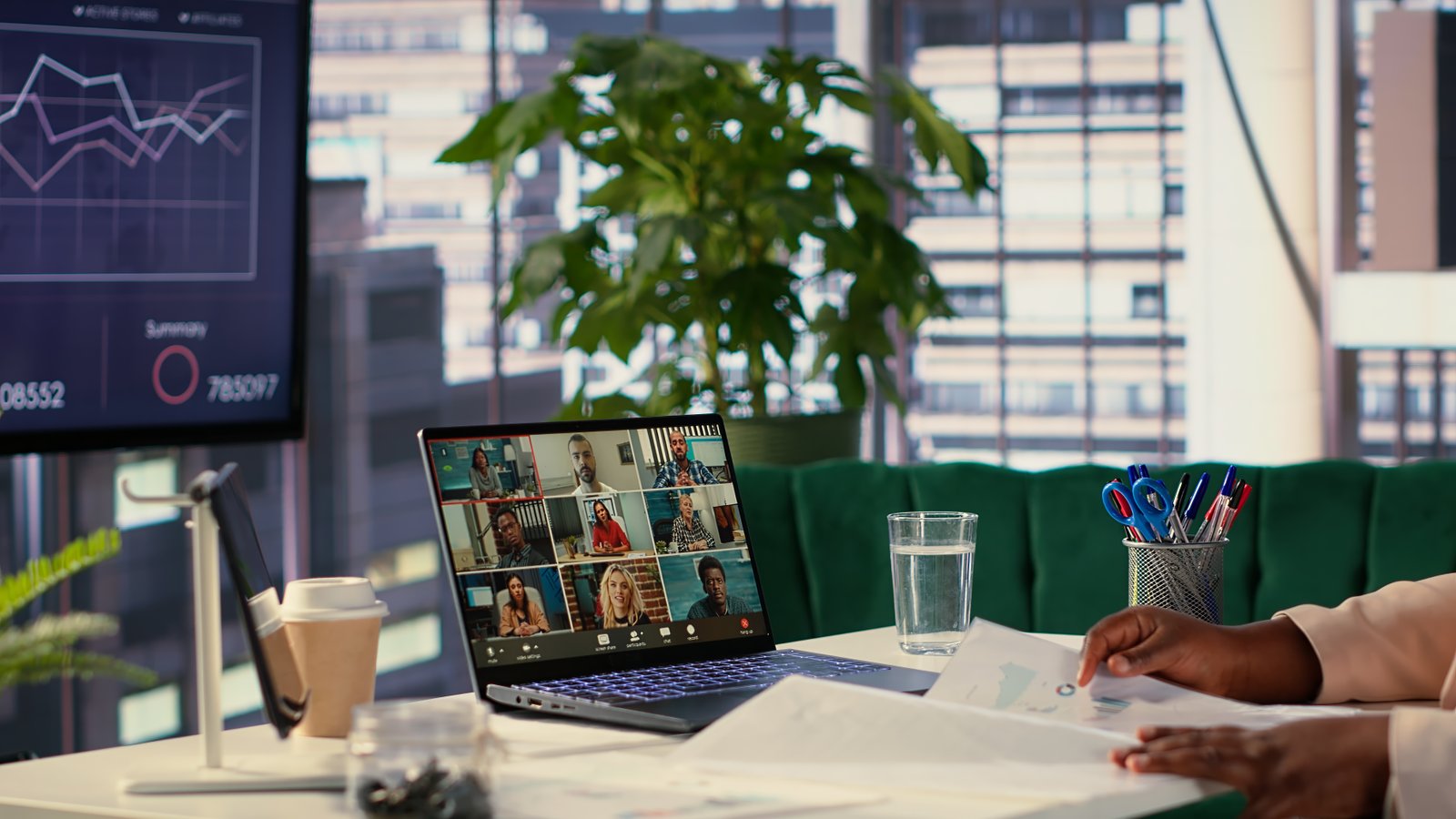
2015. EdTech was just finding its feet in India. Everyone had a strong opinion about where education was headed. The VC money was chasing pure-play online platforms. The logic was clean: infinite scale, zero real estate, margins that made traditional education businesses look prehistoric. The pitch decks all said the same thing: "The classroom is dead." Well, I didn't believe it then. I don't believe it now. When I stepped into Edunguru as COO, we made a deliberate, almost contrarian call — we would blend online and offline learning, not choose between them. We would build something messier, harder to explain at a cocktail party, but far more useful to the actual student sitting in Pune or Nashik trying to get somewhere in life. Five years later, the entire world called it "hybrid learning".
The Problem With EdTech's Obsession With Pure Digital
Here's what the beautiful pitch decks forgot about India's learning ecosystem: The student who needs education the most is the first-generation learner in a Tier 2 city, the working professional trying to upskill after office hours, the teenager whose parents sacrificed a lot for a shot at a better future. So students don't just need content. They need accountability. Infact need a human being in her corner. A video lesson at 2x speed doesn't give you that. A WhatsApp group doesn't give you that. A gamified app with streaks and badges definitely doesn't give you that. Engagement without transformation is just entertainment. And transformation, in education, almost always has a human face attached to it.
~Devesh Siwal Engagement without transformation is just entertainment. And transformation, in education, almost always has a human face attached to it.
What Devesh Siwal Actually Built at Edunguru
We weren't trying to be Byju's. We weren't trying to be a coaching class either. We built a phygital learning model a word that existed in every consultant's vocabulary; it combined: • Digital content delivery for concept building, revision, and self-paced learning • Offline touchpoints for doubt resolution, mentorship, motivation, and real human accountability • Spoken English as a core offering — because we saw what nobody in EdTech was talking about: the single biggest career barrier for millions of young Indians wasn't their degree. It was their confidence to communicate in English in a professional setting. • That last insight alone shaped our entire go-to-market strategy. It wasn't just a product decision. It was a business development decision rooted in a real, painful, widespread problem.
The Business Case for Blending — That Most EdTech Companies Missed
Here's something every business coach and growth consultant will tell you: retention is the real metric. Not acquisition. Pure online platforms have a dirty secret. Completion rates on self-paced digital courses are, globally, somewhere between 5% and 15%. Students sign up with the best intentions. Life intervenes. The course sits there. The refund window closes. When you blend offline into the model, even one human touchpoint per week, retention curves change dramatically. The student feels seen. Progress feels real. Accountability kicks in. For us, this translated directly into business sustainability. Better retention meant better word-of-mouth. Better word-of-mouth meant lower Customer Acquisition Cost and Lower CAC meant we could reach profitability faster than most of our pure-digital counterparts. Just like that, we turned cash positive in under two years. Not because we were smarter. Because we were honest about how people actually learn.
What the Post-COVID Hybrid Boom Got Wrong
When the pandemic hit, and every school, college, and coaching institute was forced online overnight, something interesting happened. The world discovered what we already knew — pure online doesn't work for everyone. Zoom fatigue is real. Screen exhaustion is real. The loneliness of learning in isolation is real. But here's where I'd push back on how "hybrid" got implemented post-2020: Most institutions didn't build hybrid. They built alternating. Online on Monday, offline on Wednesday, no real integration between the two. Two parallel tracks dressed up as one strategy. True blended learning is not a timetable. It's a philosophy. It means the online experience is designed to prepare the student for the offline interaction, not just replicate it on a screen. It means the offline session is informed by data from the digital platform, who is struggling, who's excelling, and where the concept gaps are. It means the learning journey is one continuous experience, not two experiences stitched together with hope.
The Lessons That Apply Far Beyond EdTech
I've carried this philosophy into every business I've built since. Whether it's jewellery retail, FMCG distribution, or fintech commerce, the underlying principle is identical: The customer, the learner, the consumer — they don't live in one channel. Build for the whole human, not the convenient version of them. A business growth plan that optimises for only one touchpoint will always leave value on the table. The brands, platforms, and businesses that win are the ones that design for the journey — messy, non-linear, beautifully human as it is.
What I'd Tell Every EdTech Founder Today
Stop asking: "Should we be online or offline?" Start asking: "At which moment in the learning journey does the student need a screen and at which moment do they need a person?" Answer that honestly. Build accordingly. Don't let your funding model or your investor narrative force you into a binary that your student never asked for. The classroom isn't dead. It just needed a better partner. Turns out, that partner was always the internet. They just needed someone to introduce them properly.
Devesh Siwal is a Mumbai-based Chief Operating Officer, business growth strategist, and transformation consultant with 25 years of experience building and scaling businesses across EdTech, jewellery retail, FMCG, fintech, and e-commerce across India.